Frequently Asked Questions
How does orthodontics work?
Orthodontics works by using braces, aligners, or other devices to gently shift teeth into their proper positions over time. This process improves bite alignment and enhances overall oral health, creating a beautiful smile.
How long does orthodontics take?
The duration of orthodontic treatment varies based on individual needs, but it typically takes between 12 to 30 months to achieve optimal results. Your orthodontist will provide a more specific timeframe during your consultation.
How does orthodontic coverage work?
Orthodontic coverage involves insurance plans that typically help pay for braces and other orthodontic treatments. Coverage usually varies based on the plan, with some covering a percentage of costs while others may have a lifetime limit for orthodontic treatment.
What techniques are used in orthodontics?
The techniques used in orthodontics include traditional metal braces, ceramic braces, lingual braces, and clear aligners like Invisalign. Each method is designed to effectively straighten teeth and improve overall dental alignment based on individual patient needs.
How is orthodontic treatment planned?
Orthodontic treatment is planned through a thorough evaluation that includes taking X-rays, photographs, and dental impressions. This information helps create a customized treatment plan tailored to achieve the best results for your specific needs.
What tools are used in orthodontics?
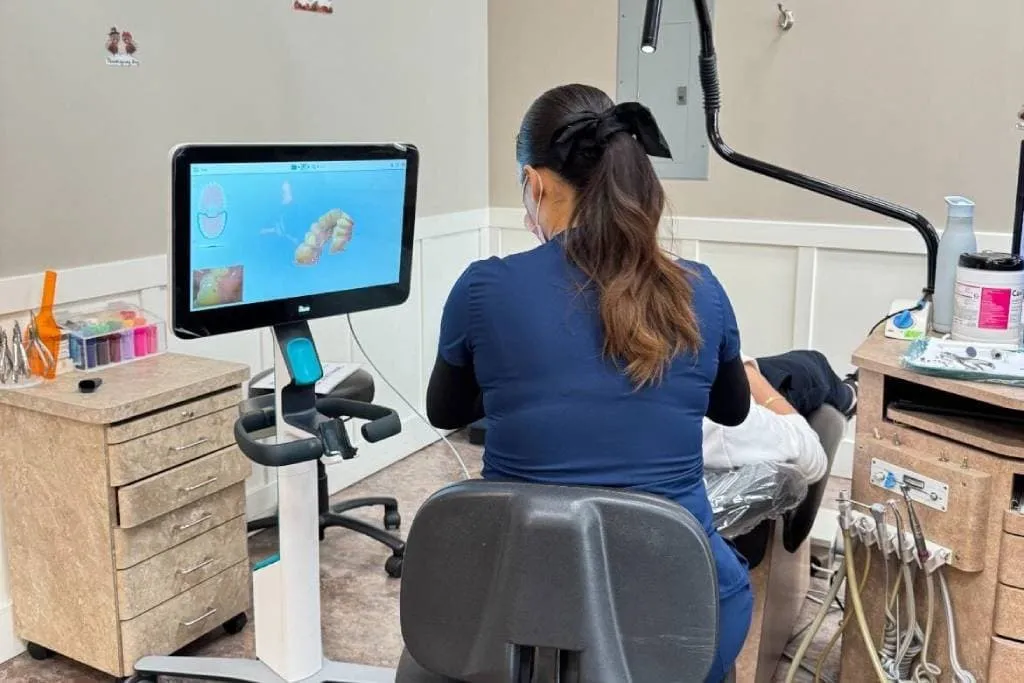
The tools used in orthodontics include braces, wires, brackets, retainers, and specialized instruments like orthodontic pliers and intraoral scanners, all designed to effectively align teeth and improve smiles.
How do braces straighten teeth?
Braces straighten teeth by applying constant pressure to gradually reposition them. The brackets and wires work together to shift the teeth into their proper alignment over time, resulting in a healthier and more aesthetically pleasing smile.
What are the stages of orthodontic treatment?
The stages of orthodontic treatment include an initial consultation, diagnostic records, treatment planning, application of braces or aligners, regular adjustment visits, and completion of treatment followed by retainers to maintain the results.
How often are orthodontic adjustments needed?
Orthodontic adjustments are typically needed every 4 to 8 weeks. These adjustments help ensure your treatment progresses as planned and that your teeth are moving into the desired positions effectively.
What factors affect orthodontic treatment duration?
The duration of orthodontic treatment is influenced by several factors, including the complexity of the dental issues, the type of orthodontic appliances used, patient compliance with care instructions, and age-related factors in bone growth and development.
What are the risks of orthodontic treatment?
The risks of orthodontic treatment include potential discomfort, tooth decay, gum disease, root resorption, and in some cases, misalignment if not monitored properly. However, these risks are generally manageable with regular dental check-ups and proper oral hygiene.
How does orthodontic coverage vary by plan?
Orthodontic coverage varies by plan based on factors such as the insurer, coverage limits, co-pays, and whether orthodontic care is included in the policy. Always check your specific plan details for exact coverage information.
What types of braces are available?
The types of braces available include traditional metal braces, ceramic braces, lingual braces, and clear aligners like Invisalign. Each option caters to different aesthetic preferences and treatment needs, ensuring a suitable choice for every patient.
How do retainers support orthodontic results?
Retainers support orthodontic results by maintaining the corrected position of teeth after active treatment. They prevent teeth from shifting back to their original alignment, ensuring long-lasting results from braces or clear aligners.
What is the role of an orthodontist?
The role of an orthodontist is to diagnose, prevent, and treat dental and facial irregularities. They specialize in aligning teeth and jaws using braces, aligners, and other devices to improve oral health and aesthetics.
How does age affect orthodontic treatment?
The effect of age on orthodontic treatment is notable, as children and teenagers typically respond more quickly to treatment due to their growing jaws and teeth. In adults, treatment may take longer and require more complex approaches, but successful results are still achievable at any age.
What questions should I ask my orthodontist?
The questions to ask your orthodontist include their experience, the range of treatments offered, estimated treatment duration, costs and payment options, and aftercare practices. It’s also helpful to inquire about progress tracking and any potential risks involved.
How to choose the right orthodontist?
Choosing the right orthodontist involves considering their qualifications, experience, treatment options, and patient reviews. It’s essential to schedule consultations to assess their approach and ensure they provide a welcoming, professional environment for your orthodontic needs.
What are common orthodontic procedures?
Common orthodontic procedures include the use of braces, clear aligners, and other treatments designed to straighten teeth and improve bite alignment, such as two-phase treatment and gum contouring.
How to care for braces properly?
Caring for braces properly involves maintaining good oral hygiene and avoiding certain foods. Brush your teeth after every meal, floss daily, and use an antibacterial mouthwash to prevent plaque buildup. Additionally, steer clear of hard, sticky, and sugary foods to protect your braces and achieve the best results.
What is the impact of orthodontics on speech?
The impact of orthodontics on speech is significant. Proper alignment of teeth and jaw can enhance articulation and improve clarity, allowing for smoother speech. Issues like misaligned teeth can lead to pronunciation challenges, which orthodontic treatment can effectively address.
Are there alternatives to traditional braces?
There are several alternatives to traditional braces. Options include clear aligners, ceramic braces, and lingual braces, all of which offer effective ways to achieve a straighter smile with less visibility than traditional metal braces.
How does orthodontics improve dental health?
Orthodontics improves dental health by aligning teeth and jaws, which enhances oral hygiene, reduces the risk of cavities and gum disease, and prevents excessive wear on teeth. Proper alignment also supports effective chewing and overall dental function.
What is the cost of orthodontic treatment?
The cost of orthodontic treatment varies based on factors like the type of braces or aligners, the length of treatment, and the complexity of the dental issues being addressed. We provide free consultations to discuss your specific needs and options for affordable payment plans.
How to manage pain during orthodontic treatment?
Managing pain during orthodontic treatment involves using over-the-counter pain relievers, applying ice packs, and following your orthodontist’s advice on care. Soft foods and gentle oral hygiene can also help ease discomfort while your mouth adjusts.
What to expect during first orthodontic visit?
The first orthodontic visit involves a comprehensive examination of your teeth and mouth, where the orthodontist will assess your alignment and discuss potential treatment options tailored to your needs. Expect an informative consultation and a chance to ask questions.
How do orthodontics address bite issues?
Orthodontics effectively address bite issues by using braces or aligners to adjust the position of teeth and jaw alignment. This treatment helps correct underbites, overbites, and crossbites, ensuring a balanced bite and improved oral function.
What is the recovery time after braces?
The recovery time after braces typically involves a few days to a week of mild discomfort as your mouth adjusts to the changes. Most patients can return to their normal activities quickly, but allow some time for soreness to subside.
How do clear aligners differ from braces?
Clear aligners differ from braces in that they are removable, transparent trays that gradually shift teeth, whereas braces use fixed brackets and wires. Aligners offer a more discreet treatment option, making them popular among adults and teens.
What is the importance of follow-up visits?
The importance of follow-up visits lies in monitoring progress and ensuring the effectiveness of treatment. These visits allow for adjustments as needed, helping achieve optimal results in your orthodontic care.