patient, injury, doctor of medicine, physician, surgery, orthopedic surgery, board certification, accessibility, orthodontics, physician assistant, health care, shoulder, surgeon, residency, temple university, elbow, clear aligners, bachelor of science, disease, hospital for special surgery, pain, patient portal, therapy, fellowship, medical school, orthodontic, braces, dana orthodontics, schedule an appointment, medical, ortho dana, orthodana, utah, dental, orthodontists, valley city, american association of orthodontists, tooth, metal, university of nebraska medical center, nova southeastern university, black hills state university, ceramic, nebraska, black hills, common orthodontic issues, metal braces, removable, south, clear braces, orthodontist, dana martin orthodontics, dana and meyer orthodontics, dana casaus orthodontics
Frequently Asked Questions
How long does orthodontics take?
The duration of orthodontic treatment varies depending on individual needs but typically takes anywhere from 6 months to 2 years. Factors influencing this timeline include the complexity of the case and the type of treatment chosen.
How does orthodontic coverage work?
Orthodontic coverage typically works by reimbursing a portion of the costs associated with braces or aligners. Most insurance plans have a lifetime maximum benefit for orthodontics, covering a percentage of the total treatment cost after any deductibles are met.
How does orthodontics work?
The way orthodontics works involves the use of dental devices, such as braces or aligners, to gradually shift teeth into their correct positions. This process improves alignment and overall oral health through gentle pressure applied over time.
Are orthodontist dentists?
Orthodontists are indeed dentists, but they specialize in diagnosing and treating dental alignment issues. After completing dental school, orthodontists pursue additional training in orthodontics to master the art of straightening teeth and correcting bites.
Are orthodontics covered by FSA?
Orthodontics can often be covered by Flexible Spending Accounts (FSA). It's important to check with your specific FSA provider to confirm eligibility and to understand the details regarding reimbursement for orthodontic treatments.
What factors influence orthodontic treatment duration?
The duration of orthodontic treatment is influenced by several factors including the severity of misalignment, the type of braces or aligners used, the patient's age, compliance with treatment, and the specific goals of the treatment plan.
How is orthodontic coverage determined by insurance?
The determination of orthodontic coverage by insurance is based on individual policy specifics, including the type of plan, coverage limits, and whether the treatment is deemed medically necessary. Always consult your insurance provider for detailed information.
What are common orthodontic treatment methods?
The common orthodontic treatment methods include traditional metal braces, clear aligners like Invisalign, and specialized treatments such as two-phase treatment and gum contouring, all designed to straighten teeth and improve oral health.
Can I choose my orthodontist freely?
You can freely choose your orthodontist based on your preferences and needs. It’s important to research and consult with potential orthodontists to find one that aligns with your treatment goals and comfort level.
What treatments are included in orthodontic coverage?
The treatments included in orthodontic coverage typically consist of braces, clear aligners like Invisalign, retainers, and other necessary orthodontic procedures aimed at correcting misalignment and improving oral function.
How often should I visit my orthodontist?
Visiting your orthodontist regularly is crucial for monitoring your progress. Generally, appointments are scheduled every 4 to 8 weeks, depending on your treatment plan and the complexity of your case.
Are there age limitations for orthodontic treatment?
There are no strict age limitations for orthodontic treatment. While early intervention is often recommended for children, adults can also benefit from orthodontic care at any age.
What is the average cost of orthodontics?
The average cost of orthodontics typically ranges from $3,000 to $7,000, depending on various factors such as the type of treatment, complexity, and length of care. Many practices also offer payment plans to make it more affordable.
How do I know if I need braces?
Determining if you need braces involves noticing signs such as crooked teeth, gaps, overbites, or underbites. A consultation with an orthodontist can provide a professional assessment and guide your treatment options.
What materials are used in orthodontic appliances?
The materials used in orthodontic appliances include metal, plastic, and ceramic. These materials are chosen for their strength, durability, and aesthetic properties, allowing for effective teeth alignment and a comfortable fit for patients.
How do retainers work after orthodontic treatment?
Retainers work after orthodontic treatment by keeping teeth in their new positions, preventing them from shifting back. They are custom-made to fit your mouth and are typically worn full-time initially, then transitioned to part-time for ongoing stability.
What are the risks associated with orthodontics?
The risks associated with orthodontics include discomfort during treatment, potential for root resorption, and issues such as decay or gum disease if oral hygiene is neglected. Regular follow-ups and proper care help mitigate these risks.
How to prepare for your first orthodontic visit?
Preparing for your first orthodontic visit involves gathering necessary documents, such as your insurance information and any relevant dental records. Additionally, it's helpful to write down any questions you have to discuss with your orthodontist.
What is the process of getting braces?
The process of getting braces involves several steps: first, an initial consultation to assess your dental needs, followed by taking X-rays and impressions of your teeth. Next, the braces are applied, and regular adjustments are scheduled to ensure effective treatment until your desired smile is achieved.
How do orthodontic treatments impact oral hygiene?
Orthodontic treatments can greatly impact oral hygiene by making it more challenging to effectively clean the teeth and gums. Proper cleaning techniques and a diligent oral care routine are essential to prevent plaque buildup and gum disease during treatment.
What technology is used in modern orthodontics?
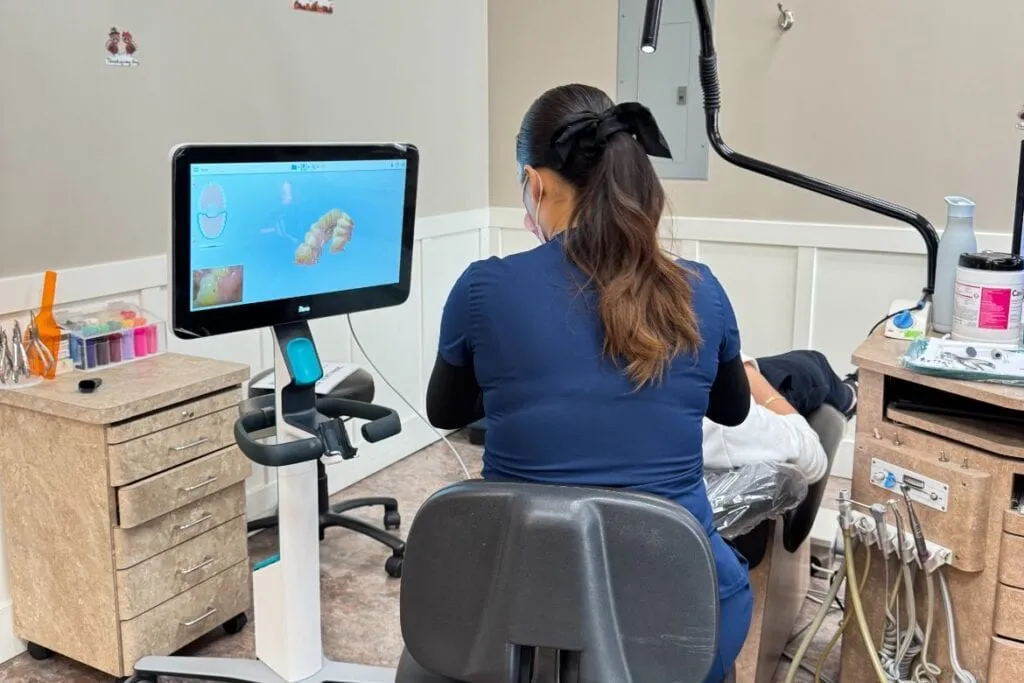
La tecnología utilizada en la ortodoncia moderna incluye análisis 3D, radiografías digitales, escáneres intraorales y software de tratamiento avanzado, lo que permite un diagnóstico preciso y tratamientos personalizados para lograr sonrisas eficientes y efectivas.
Are there alternatives to traditional braces?
Alternatives to traditional braces include clear aligners, such as Invisalign and Angel Aligners, which offer a discreet and comfortable way to achieve a straighter smile. Additionally, options like lingual braces, positioned behind the teeth, are also available for those seeking less visible treatment.
How long will I wear braces typically?
The typical duration of wearing braces varies but generally ranges from 18 months to 3 years, depending on individual orthodontic needs and treatment plans. Regular check-ups will help monitor progress and adjust timelines as necessary.
What happens during an orthodontic adjustment?
During an orthodontic adjustment, the orthodontist evaluates the progress of your treatment and makes necessary changes to your braces or aligners. This may include tightening wires, replacing bands, or adjusting aligners to ensure optimal tooth movement.
Is pain common during orthodontic treatments?
Pain during orthodontic treatments is not uncommon. Patients may experience mild discomfort or soreness after adjustments, but this typically subsides within a few days. Any significant pain should be discussed with your orthodontist for guidance.
What oral care is recommended for braces?
The recommended oral care for those with braces includes brushing at least twice a day with a soft-bristle toothbrush, using an interdental brush for hard-to-reach areas, and rinsing with an antibacterial mouthwash to prevent plaque buildup.
How to maintain alignment after orthodontic treatment?
Maintaining alignment after orthodontic treatment is essential for lasting results. Wear your retainers consistently as instructed, attend follow-up appointments, and practice good oral hygiene to support your smile's stability.
Can orthodontics treat severe dental misalignments?
Orthodontics can effectively treat severe dental misalignments. Through various techniques, including braces and aligners, orthodontic treatment can correct both functional and aesthetic issues, leading to a healthier, more aligned smile.
What complications can arise from orthodontic treatment?
Complications that can arise from orthodontic treatment include discomfort, tooth decay, gum disease, root resorption, and issues with jaw alignment. Regular monitoring and proper oral hygiene are essential to minimize these risks during treatment.
How does orthodontic treatment meet individual needs?
Orthodontic treatment is tailored to meet individual needs by assessing each patient's unique dental structure, lifestyle, and personal preferences. This approach ensures customized options, whether traditional braces or clear aligners, to effectively achieve the best smile for everyone.
dana orthodontics utah, ortho dana, dana orthodontics, dana ortho, orthodontist west valley, orthodana west valley, affordable orthodontics, orthodana, orthodontics west valley city ut
Your Smile Starts Here
At Orthodana, we believe that every smile starts with a vision of what could be. Our dedicated team is here to guide you through your orthodontic journey, ensuring that your goals are met with comprehensive care. We approach every treatment plan uniquely, valuing your individual needs and preferences to create the smile of your dreams.
In our inviting environment, we combine expertise with compassion, making each visit a positive experience. From your first consultation to the final reveal of your new smile, our focus is on building a supportive relationship that prioritizes your comfort and confidence. Together, we embark on a transformative journey toward achieving your best smile.
Location
Convenience is key when it comes to receiving orthodontic care, and Orthodana is proud to be located in West Valley City. Our easily accessible office at 2630 W 3500 S Suite C puts us just a stone's throw away for those seeking quality treatment without long travel times. We invite you to visit and see firsthand how our location is designed to enhance your experience.
In addition to our convenient location, we offer flexible contact hours tailored to fit your busy lifestyle. Our team is dedicated to making your visits easy and manageable, ensuring you never have to compromise on your orthodontic care. Whether you're coming for a consultation or a follow-up, we strive to make your experience seamless and enjoyable from start to finish.
Contact Us
If you have questions or need assistance, don't hesitate to reach out to us at Orthodana. Our friendly staff is always ready to provide you with the information and support you need. You can easily contact us through our phone number, (801) 542-0126, or by visiting our patient portal for more details on our services and appointments.
At Orthodana, we understand that communication is key to exceptional care. We encourage our patients to voice any concerns or inquiries, and our team will ensure that every question is answered promptly. Your satisfaction is our priority, and we are here to help you every step of the way on your orthodontic journey.
Follow Us
Stay connected with Orthodana by following us on social media! Our Facebook and Instagram pages are packed with updates, patient success stories, and information on the latest orthodontic trends. By engaging with us online, you can see how we transform smiles and what makes our practice so special.
Our social media platforms also provide an avenue for our patients to share their experiences and connect with other members of the Orthodana family. We love to celebrate your journeys and share tips and advice on maintaining beautiful smiles. So be sure to follow us and become a part of our vibrant community!
patient, injury, doctor of medicine, physician, surgery, orthopedic surgery, board certification, accessibility, orthodontics, physician assistant, health care, shoulder, surgeon, residency, temple university, elbow, clear aligners, bachelor of science, disease, hospital for special surgery, pain, patient portal, therapy, fellowship, medical school, orthodontic, braces, dana orthodontics, schedule an appointment, medical, ortho dana, orthodana, utah, dental, orthodontists, valley city, american association of orthodontists, tooth, metal, university of nebraska medical center, nova southeastern university, black hills state university, ceramic, nebraska, black hills, common orthodontic issues, metal braces, removable, south, clear braces, orthodontist, dana martin orthodontics, dana and meyer orthodontics, dana casaus orthodontics
Frequently Asked Questions
How long does orthodontics take?
The duration of orthodontic treatment varies depending on individual needs but typically takes anywhere from 6 months to 2 years. Factors influencing this timeline include the complexity of the case and the type of treatment chosen.
How does orthodontic coverage work?
Orthodontic coverage typically works by reimbursing a portion of the costs associated with braces or aligners. Most insurance plans have a lifetime maximum benefit for orthodontics, covering a percentage of the total treatment cost after any deductibles are met.
How does orthodontics work?
The way orthodontics works involves the use of dental devices, such as braces or aligners, to gradually shift teeth into their correct positions. This process improves alignment and overall oral health through gentle pressure applied over time.
Are orthodontist dentists?
Orthodontists are indeed dentists, but they specialize in diagnosing and treating dental alignment issues. After completing dental school, orthodontists pursue additional training in orthodontics to master the art of straightening teeth and correcting bites.
Are orthodontics covered by FSA?
Orthodontics can often be covered by Flexible Spending Accounts (FSA). It's important to check with your specific FSA provider to confirm eligibility and to understand the details regarding reimbursement for orthodontic treatments.
What factors influence orthodontic treatment duration?
The duration of orthodontic treatment is influenced by several factors including the severity of misalignment, the type of braces or aligners used, the patient's age, compliance with treatment, and the specific goals of the treatment plan.
How is orthodontic coverage determined by insurance?
The determination of orthodontic coverage by insurance is based on individual policy specifics, including the type of plan, coverage limits, and whether the treatment is deemed medically necessary. Always consult your insurance provider for detailed information.
What are common orthodontic treatment methods?
The common orthodontic treatment methods include traditional metal braces, clear aligners like Invisalign, and specialized treatments such as two-phase treatment and gum contouring, all designed to straighten teeth and improve oral health.
Can I choose my orthodontist freely?
You can freely choose your orthodontist based on your preferences and needs. It’s important to research and consult with potential orthodontists to find one that aligns with your treatment goals and comfort level.
What treatments are included in orthodontic coverage?
The treatments included in orthodontic coverage typically consist of braces, clear aligners like Invisalign, retainers, and other necessary orthodontic procedures aimed at correcting misalignment and improving oral function.
How often should I visit my orthodontist?
Visiting your orthodontist regularly is crucial for monitoring your progress. Generally, appointments are scheduled every 4 to 8 weeks, depending on your treatment plan and the complexity of your case.
Are there age limitations for orthodontic treatment?
There are no strict age limitations for orthodontic treatment. While early intervention is often recommended for children, adults can also benefit from orthodontic care at any age.
What is the average cost of orthodontics?
The average cost of orthodontics typically ranges from $3,000 to $7,000, depending on various factors such as the type of treatment, complexity, and length of care. Many practices also offer payment plans to make it more affordable.
How do I know if I need braces?
Determining if you need braces involves noticing signs such as crooked teeth, gaps, overbites, or underbites. A consultation with an orthodontist can provide a professional assessment and guide your treatment options.
What materials are used in orthodontic appliances?
The materials used in orthodontic appliances include metal, plastic, and ceramic. These materials are chosen for their strength, durability, and aesthetic properties, allowing for effective teeth alignment and a comfortable fit for patients.
How do retainers work after orthodontic treatment?
Retainers work after orthodontic treatment by keeping teeth in their new positions, preventing them from shifting back. They are custom-made to fit your mouth and are typically worn full-time initially, then transitioned to part-time for ongoing stability.
What are the risks associated with orthodontics?
The risks associated with orthodontics include discomfort during treatment, potential for root resorption, and issues such as decay or gum disease if oral hygiene is neglected. Regular follow-ups and proper care help mitigate these risks.
How to prepare for your first orthodontic visit?
Preparing for your first orthodontic visit involves gathering necessary documents, such as your insurance information and any relevant dental records. Additionally, it's helpful to write down any questions you have to discuss with your orthodontist.
What is the process of getting braces?
The process of getting braces involves several steps: first, an initial consultation to assess your dental needs, followed by taking X-rays and impressions of your teeth. Next, the braces are applied, and regular adjustments are scheduled to ensure effective treatment until your desired smile is achieved.
How do orthodontic treatments impact oral hygiene?
Orthodontic treatments can greatly impact oral hygiene by making it more challenging to effectively clean the teeth and gums. Proper cleaning techniques and a diligent oral care routine are essential to prevent plaque buildup and gum disease during treatment.
What technology is used in modern orthodontics?
La tecnología utilizada en la ortodoncia moderna incluye análisis 3D, radiografías digitales, escáneres intraorales y software de tratamiento avanzado, lo que permite un diagnóstico preciso y tratamientos personalizados para lograr sonrisas eficientes y efectivas.
Are there alternatives to traditional braces?
Alternatives to traditional braces include clear aligners, such as Invisalign and Angel Aligners, which offer a discreet and comfortable way to achieve a straighter smile. Additionally, options like lingual braces, positioned behind the teeth, are also available for those seeking less visible treatment.
How long will I wear braces typically?
The typical duration of wearing braces varies but generally ranges from 18 months to 3 years, depending on individual orthodontic needs and treatment plans. Regular check-ups will help monitor progress and adjust timelines as necessary.
What happens during an orthodontic adjustment?
During an orthodontic adjustment, the orthodontist evaluates the progress of your treatment and makes necessary changes to your braces or aligners. This may include tightening wires, replacing bands, or adjusting aligners to ensure optimal tooth movement.
Is pain common during orthodontic treatments?
Pain during orthodontic treatments is not uncommon. Patients may experience mild discomfort or soreness after adjustments, but this typically subsides within a few days. Any significant pain should be discussed with your orthodontist for guidance.
What oral care is recommended for braces?
The recommended oral care for those with braces includes brushing at least twice a day with a soft-bristle toothbrush, using an interdental brush for hard-to-reach areas, and rinsing with an antibacterial mouthwash to prevent plaque buildup.
How to maintain alignment after orthodontic treatment?
Maintaining alignment after orthodontic treatment is essential for lasting results. Wear your retainers consistently as instructed, attend follow-up appointments, and practice good oral hygiene to support your smile's stability.
Can orthodontics treat severe dental misalignments?
Orthodontics can effectively treat severe dental misalignments. Through various techniques, including braces and aligners, orthodontic treatment can correct both functional and aesthetic issues, leading to a healthier, more aligned smile.
What complications can arise from orthodontic treatment?
Complications that can arise from orthodontic treatment include discomfort, tooth decay, gum disease, root resorption, and issues with jaw alignment. Regular monitoring and proper oral hygiene are essential to minimize these risks during treatment.
How does orthodontic treatment meet individual needs?
Orthodontic treatment is tailored to meet individual needs by assessing each patient's unique dental structure, lifestyle, and personal preferences. This approach ensures customized options, whether traditional braces or clear aligners, to effectively achieve the best smile for everyone.
dana orthodontics utah, ortho dana, dana orthodontics, dana ortho, orthodontist west valley, orthodana west valley, affordable orthodontics, orthodana, orthodontics west valley city ut
Your Smile Starts Here
At Orthodana, we believe that every smile starts with a vision of what could be. Our dedicated team is here to guide you through your orthodontic journey, ensuring that your goals are met with comprehensive care. We approach every treatment plan uniquely, valuing your individual needs and preferences to create the smile of your dreams.
In our inviting environment, we combine expertise with compassion, making each visit a positive experience. From your first consultation to the final reveal of your new smile, our focus is on building a supportive relationship that prioritizes your comfort and confidence. Together, we embark on a transformative journey toward achieving your best smile.
Location
Convenience is key when it comes to receiving orthodontic care, and Orthodana is proud to be located in West Valley City. Our easily accessible office at 2630 W 3500 S Suite C puts us just a stone's throw away for those seeking quality treatment without long travel times. We invite you to visit and see firsthand how our location is designed to enhance your experience.
In addition to our convenient location, we offer flexible contact hours tailored to fit your busy lifestyle. Our team is dedicated to making your visits easy and manageable, ensuring you never have to compromise on your orthodontic care. Whether you're coming for a consultation or a follow-up, we strive to make your experience seamless and enjoyable from start to finish.
Contact Us
If you have questions or need assistance, don't hesitate to reach out to us at Orthodana. Our friendly staff is always ready to provide you with the information and support you need. You can easily contact us through our phone number, (801) 542-0126, or by visiting our patient portal for more details on our services and appointments.
At Orthodana, we understand that communication is key to exceptional care. We encourage our patients to voice any concerns or inquiries, and our team will ensure that every question is answered promptly. Your satisfaction is our priority, and we are here to help you every step of the way on your orthodontic journey.
Follow Us
Stay connected with Orthodana by following us on social media! Our Facebook and Instagram pages are packed with updates, patient success stories, and information on the latest orthodontic trends. By engaging with us online, you can see how we transform smiles and what makes our practice so special.
Our social media platforms also provide an avenue for our patients to share their experiences and connect with other members of the Orthodana family. We love to celebrate your journeys and share tips and advice on maintaining beautiful smiles. So be sure to follow us and become a part of our vibrant community!